Hanna Bobrowicz, October 29th 2015

Why is it so hard to forgive ourselves? Do the events that happen in our past, dictate our internal desires and external actions?
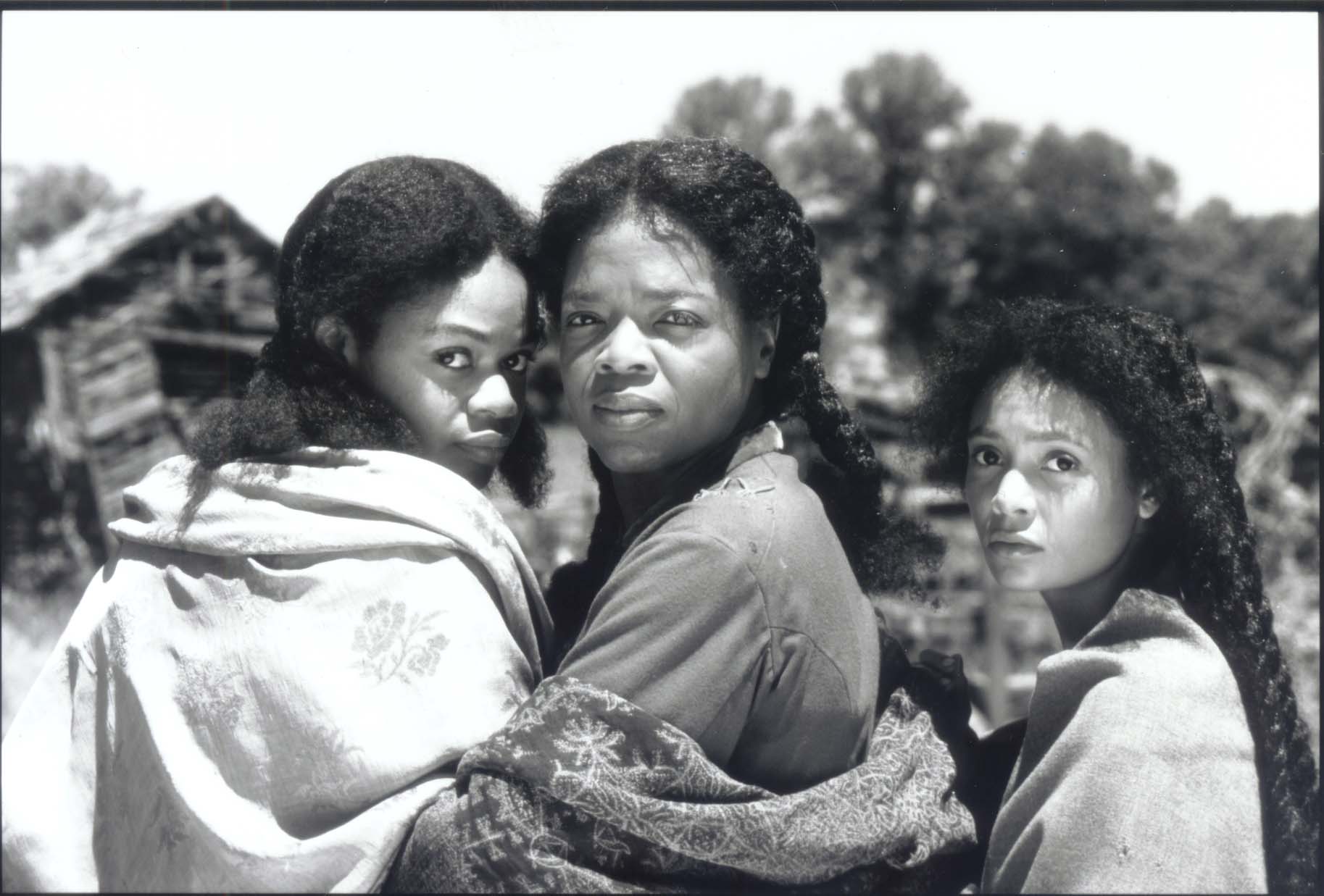
Toni Morrison's novel, Beloved, depicts characters grappling with trauma from a life spent in slavery. Their past literally haunts them and takes the form of a murdered child, Beloved. Beloved forces Sethe, and her companion Paul D to confront the past, which ultimately causes them to re-experience the agony they endured under slavery. The past, manifested as Beloved, consumes and determines the character’s overall desires for their future.
Beloved serves as an embodiment of the past, and begins to control the members of the family who live with her. Paul D has been subjected to relentless sexual trauma during slavery and stumbles upon 124 longing to feel a sense of peace and to put the past behind him. But this is impossible once Beloved begins living at 124. Pamela E. Barnett, author of the essay, Figurations of Rape and the Supernatural in Beloved, identifies Beloved as being a sort of “female demon” and symbolizes the link between “haunting and rape”. Indeed Beloved does, in a sense, rape Paul D, but she is not a miscreant in the way Barnett describes her to be. She does not rape Paul D to spite him, as Barnett suggest, she does this to trigger more gruesome memories of the past. When Paul D sleeps with Beloved, she makes him recall the hideous events of sexual torture that he endured in the chain gang. Beloved forces him to recall memories locked up in his “tobacco tin” heart to “burst open” (138). Paul D’s tobacco tin is a shield from past horrors as it prevents Paul D from feeling the gravity of what he has experienced. Beloved breaks open his tin, and releases the “haunting and rape” that Barnett writes of. Paul D cannot escape her or the memories she invokes because he lives with her, nor can he stop the nightly visits. Paul D’s desire to forget the pain that is associated with slavery is impossible due to Beloved’s constant presence. Barnett is correct when she says that Beloved “haunts’ the inhabitants of 124 because she is a reminder of the things they did in order to survive. She embodies their memories of slavery and torture. Many victims of trauma are unable to move on with their lives and Beloved is the literal representation of the trauma of slavery forever haunting Sethe and Paul D.
Unable to stifle his past in the presence of Beloved, Paul D’s intentions shift dramatically. Barnett suggests that Beloved is a “catalyst for Paul D’s recollection of the past”, this can be seen in Paul D’s increasing urge to flee as Beloved’s nightly visits turn into a habit. Paul D begins to move about the house, moving first to the living room, then Baby Sugg’s room, and finally, outside in a shed. He does this because Beloved forces him to remember the time he endured sexual abuse while in a chang gang. The only way Paul D escaped the mental and physical torture of the chain gang, was by running away, he moves around the house because he wants to escape from 124. He wants to escape from Beloved and the memories she brings to him. This is a significant shift from his initial desire to move in with Sethe and make a “good life”, before Beloved resurrected (55).
Beloved also serves as a “catalyst” for Sethe’s memories, but it grows into something that Barnett interprets as a “menacing force”. Memories hound Sethe of the torture she also endured in slavery, and the decision she made to end her daughter's life. Many years before, in a desperate and anguished act, Sethe killed the two-year-old baby, Beloved, so she would not have to experience the horrors of slavery. She believed death to be the lesser evil than life as a slave. But since the moment of her fatal decision, Sethe has been plagued with guilt wondering if Beloved would forgive her and understand why she did it. However Beloved voices her mother’s biggest fears by accusing Sethe of “leaving her behind” (284). Beloved taunts her mother with the same words and thoughts Sethe perhaps contemplated before deciding to kill her daughter. Sethe is not only traumatized by her experience as a slave but also the gruesome way she ended her daughter's life. The “menacing force” is not the pure evil that Barnett intends when using that phrase to describe Beloved; but of Beloved’s remorseless greed for more justifications. This forces Sethe to relive the day in which she made the impossible moral decision to kill her daughter. Sethe is not able to escape her past, so her intentions of having a peaceful and quiet life are abandoned as she focuses her attention on Beloved. Quitting her job, feeding Beloved robustly from a diminishing food supply, singing her lullabies and spending her life’s savings on new ribbons and clothes (282).These superfluous act are due to Sethe’s desperate craving for redemption, while her subconscious manifests in Beloved’s accusations. Slavery was the force that made Sethe kill Beloved, and continues to block any chance of a content and peaceful future.
Toni Morrison writes about the different levels of pain those escaping slavery had to endure. Sethe and Paul D's trauma of slavery caused them to live with the past always present in their mind. Even though they try to create normalcy, they are haunted by the pain of slavery. Beloved was a physical representation of the different types of trauma they experienced. Because she lived with them they could never move on from the heartache of slavery. In the beginning of the novel, Sethe and Paul D had hopes for a future together. But their desires changed dramatically once they were reminded of their pain. For Paul D this caused him to flee, just as he had on the chain gang. For Sethe, she was consumed with guilt making her unable to live a full life. Morrison writes personal story about the lives of Paul D and Sethe but also about the legacy slavery has on the world. Sethe and Paul are not able to move forward with their lives, until they fully face and resolve the things they did in order to survive. They need to forgive themselves for surviving something horrible even while so many others died. For them, the past definitely determines their future.
What I am Reading-The article I analyzed by Pamela E. Barnett!
Figurations of Rape and the Supernatural in Beloved
Check out this Toni Morrison Interview!
https://www.youtube.com/watch?v=RP6umkgMRq4
Check out this Toni Morrison Interview!
https://www.youtube.com/watch?v=RP6umkgMRq4